Critical Corner: Bedford Street
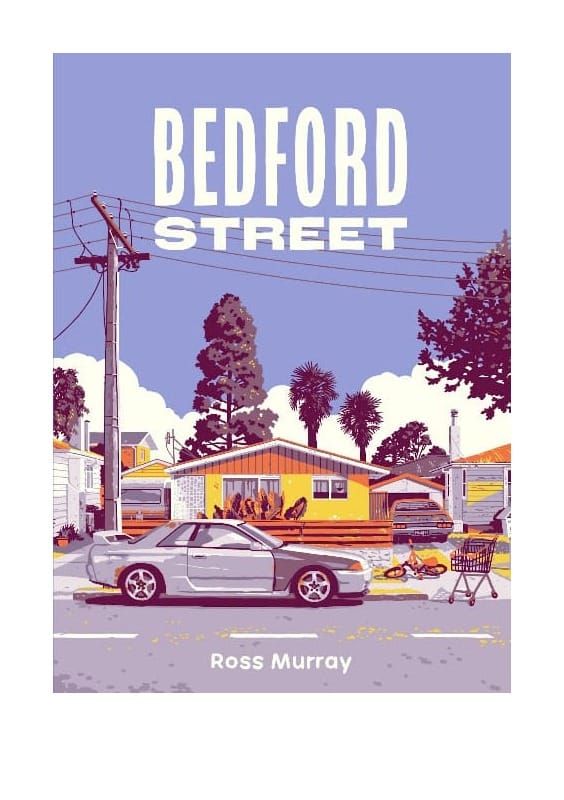
In this edition of Critical Corner, a review of Ross Murray’s graphic novel Bedford Street.
A woman watches a reality show while a couple fights outside. A man looks after his troubled son while not-so-secretly drinking himself into a stupor. A woman goes through a parade of what would be the worst event of most of our years in seemingly a single week. A seagull picks on one of their one before themselves becoming a victim.
Bedford Street, by author and illustrator Ross Murray, is the home of these loosely interconnected stories. It comes with “Altmanesque” as a description, which is an apt one – although another one might be The Simpsons episode “22 Short Films about Springfield”. Each of the stories in this collection takes a snapshot of these character’s lives and, like any good short story, uses that snapshot as a way to interrogate and vivisect that person’s entire existence.
Although Bedford Street appears to be more an allegory of a place than a real street – a cursory Google tells me that there’s at least two of them around New Zealand – it’s a street that anybody who has grown up on the outskirts of a city will be familiar with. People are trying to pay their rent, either make good on their past mistakes or fumble with their current ones, and dealing with the fact that living in a society puts us in proximity with people we would wish to be far much further from. However, sometimes people do shitty things because they have the capacity to, and Bedford Street is full of these people as well.
This might make Bedford Street sound like a bleak affair, and while there is a sort of misanthropy underlining the whole endeavour, there’s also an appreciation of humanity’s capacity for pettiness, cruelty and self-serving behaviour. Rather than making the collection feel unrelenting or even dour, it actually manages to be refreshing, and it makes the little bits of kindness and grace that his character show each other mean that much more. Murray has told his stories through people who embody the all-too-human reality that what separates someone from being a functioning, seemingly happy member of society and someone from being an absolute asshole is one really bad day.
Murray’s style tends towards the muted, with the occasional flash of bold colour. There is little exaggeration here, but he has a keen eye for the frame that adds to the beauty of the whole thing; the first story “Let’s Dance”, about a father who looks after his troubled son for a few days, has a two-page spread that is utterly beautiful. Meanwhile, Love Atoll, which has a hilarious kebab-driven climax, has a purple sheen over the whole thing, giving it a slightly eerie and dreamlike quality that elevates the story beyond it’s fairly – and intentionally – mundane subject matter. Meanwhile, the last story, Backfire, which shows us two elderly neighbours at odds, although both are simply deeply lonely and alienated by the world they’ve aged into, is coloured so much to resemble the “real” world that it makes the ambiguous ending all the more unnerving.
Bedford Street is ostensibly filled with a bunch of ordinary people, the kind of people you would come across during your every day but perhaps not give a second thought. Murray’s view on these people doesn’t make them any less ordinary, but it’s a reminder of how the role of artists is to interrogate the ordinary. That act of interrogation is, in itself, an act of kindness, and an act of elevation. In Bedford Street, Murray interrogates and elevates. It’s not an achievement to love people who make themselves easy to love, it’s an achievement to love those who for whatever reason are a bit harder to love. Murray makes that job, at least for his characters, much easier.
Bedford Street is published by Earth’s End Publishing.
Other Things I’ve Consumed
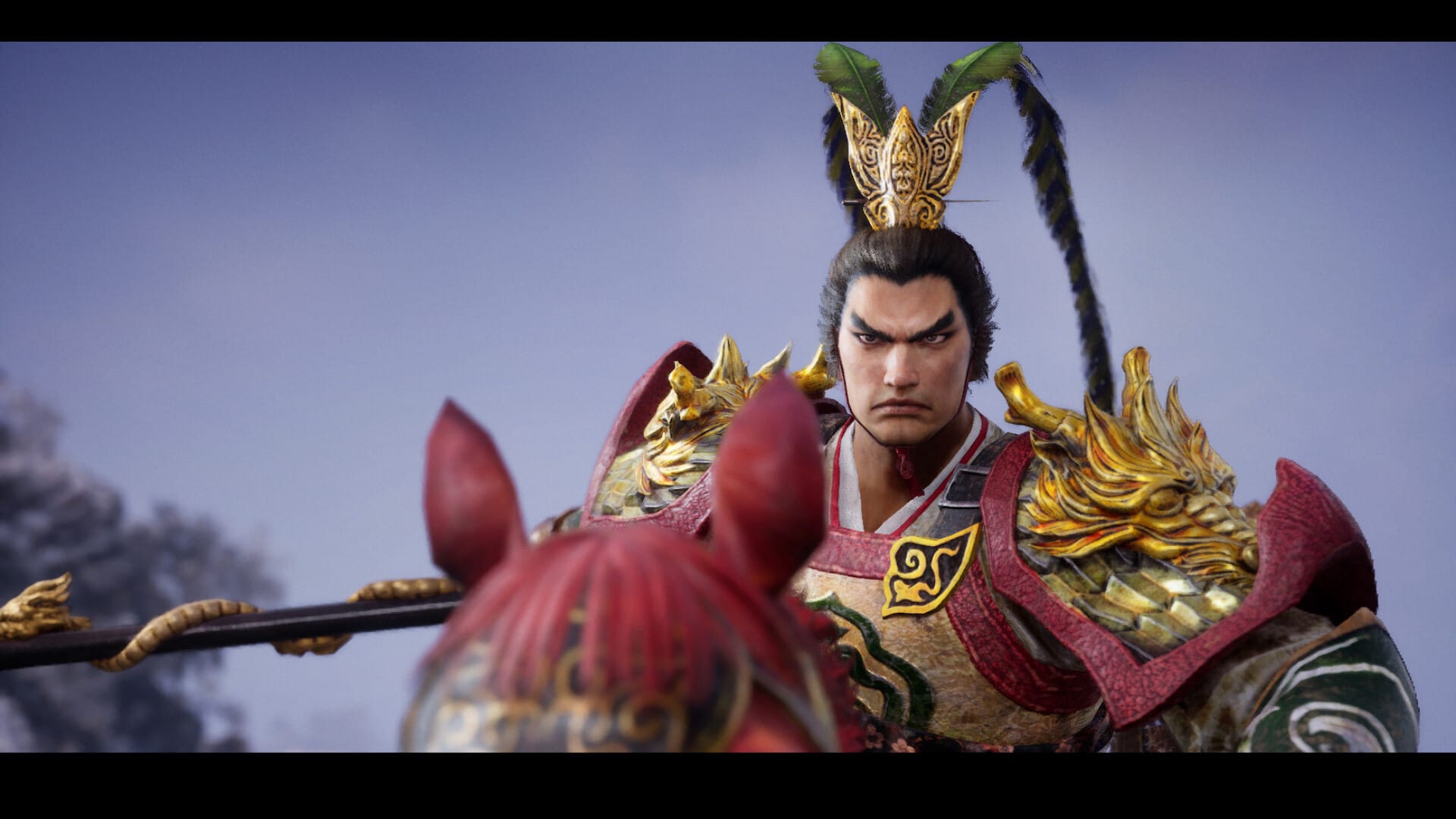
- While I’ve spent most of my leisure time playing Legend of Heroes: Trails in the Sky 2nd Chapter (a game which blessedly nobody who subscribes to this newsletter has ever heard of, let alone played), I put a few hours into Dynasty Warriors 3 Remastered, which is exactly what it says on the tin. This is for both good and bad, because while Dynasty Warriors 3 was a captivating game on its release two decades ago, it’s a pretty shallow experience. Still, if you enjoyed it back then, chances are you’ll enjoy it just as much now. If this is all gibberish to you, let it remain gibberish.
- I’m a sucker for books about writing, but I’m more a fan of books about the philosophy of writing rather than the craft. However, Several Short Sentences About Writing by Verlyn Klinkenborg is an exception to the rule. It’s a super quick read which breaks down the basics of writing, from word to word, to sentence to sentence, to the simplicities of rhythm. Did I take any of the lessons to heart? Probably not.
- The new Tinashe album is as good as pop album as any released this year, while the new Victoria Monet is perfect listening for pretty much any situation.
Self-Promo
- My next show is on at Q Theatre in November. It’s called All You Had Was Fun. We’re running a crowdfunding campaign and if you feel so inclined to chuck us a few dollars, it’d be much appreciated. If you can’t afford to do so, sharing is also very much appreciated.
As always, reading and writing takes time, and if you want to support the amount of time it takes (and ensure that the scant amount of meaningful coverage of local art can continue), please considering supporting Dramatic Pause with a paid subscription ($8 p/m, $60 p/a) and if you can't afford a paid subscription, please share the work with your networks!





Member discussion